New Kitten Feeding Plan: Schedule, Portions & Tips
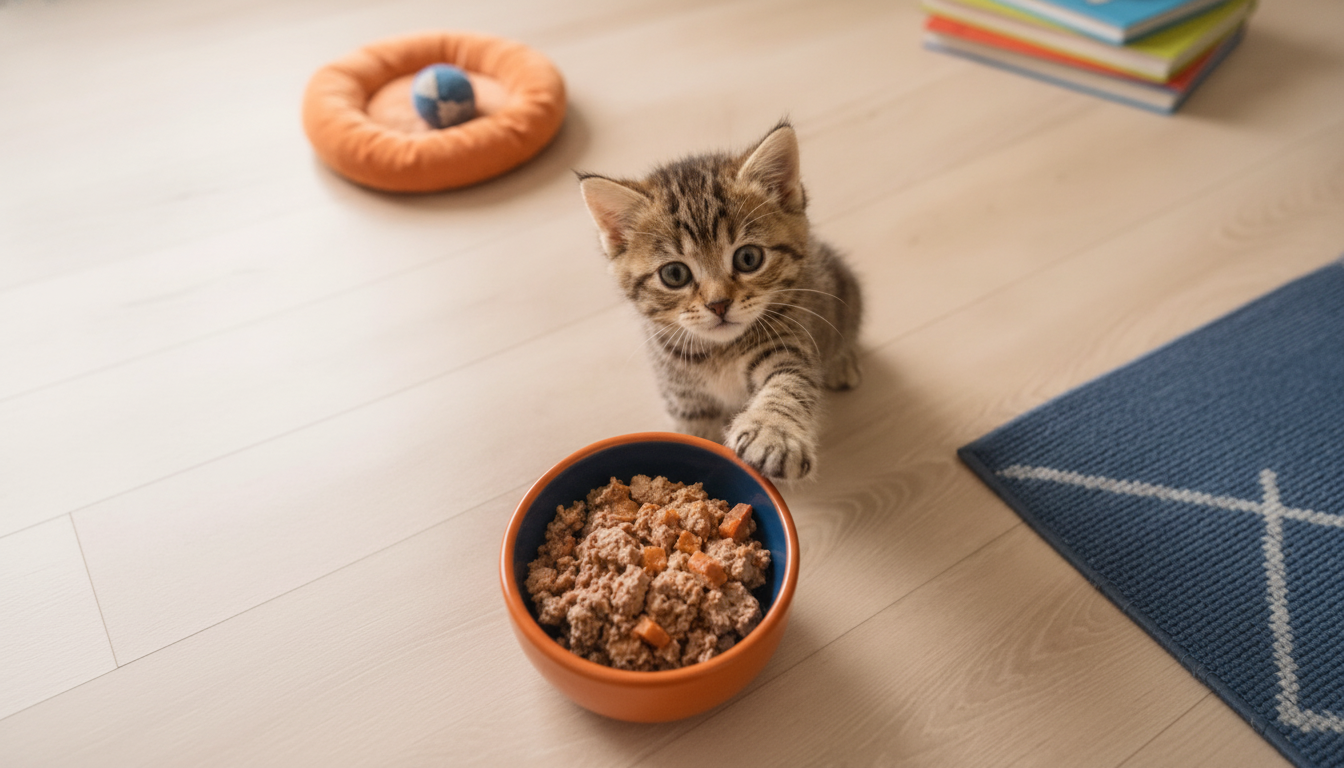
Feeding Your New Kitten Right: A Practical Starter Plan for Healthy Growth and Calm Mealtimes
New kittens grow at lightning speed, and their nutrition needs are very different from adult cats. A simple feeding routine—built around age-appropriate food, sensible portions, hydration, and a gentle transition—helps prevent stomach upset and supports steady growth, comfortable digestion, and calmer mealtimes as your kitten settles in.
Start with the basics: what kittens need that adult cats don’t
Kittens aren’t just “small cats.” Their bodies are building muscle, bone, and brain tissue daily, so the diet has to keep up.
- Choose food labeled “complete and balanced” for growth (kitten) and formulated to meet AAFCO or FEDIAF standards.
- Prioritize higher protein and higher calorie density to support rapid development.
- Look for key nutrients: taurine (heart/vision), DHA (brain/eyes), a proper calcium/phosphorus balance (bones/teeth), and essential fatty acids (skin/coat).
- Avoid homemade “guesswork” diets unless formulated by a veterinary nutritionist—nutrient gaps are common and can matter quickly during growth.
For deeper guidance on life-stage needs and feeding assessment, the AAFP Feline Life Stage Guidelines and the WSAVA Global Nutrition Guidelines are solid references.
What food to start a new kitten on (and how to pick between wet, dry, and mixed)
The easiest way to protect your kitten’s stomach is to start with what they already know.
- If your kitten came from a breeder, shelter, or foster, start with the same food for the first 7–10 days when possible.
- Wet food supports hydration and can be easier for tiny mouths; dry food is convenient but does not replace water.
- A mixed routine (scheduled wet meals plus a measured amount of dry) works well when portions are controlled.
- Look for formulas with named animal proteins (like chicken, turkey, salmon) as primary ingredients; avoid diets relying heavily on vague “meat by-products” or excessive fillers as main components.
- For very young kittens (under ~8 weeks), confirm with a veterinarian or caregiver whether kitten milk replacer is still needed.
Wet vs. dry vs. mixed feeding: quick comparison
| Option | Pros | Watch-outs | Best fit for |
|---|---|---|---|
| Wet food | Supports hydration; typically more palatable; easier to portion for small meals | Spoils quickly; higher cost per calorie | Kittens that drink little water; picky eaters |
| Dry food | Convenient; easy storage; can be used in puzzle feeders | Lower moisture; easy to overfeed; some kittens gulp | Households needing convenience with careful measuring |
| Mixed feeding | Balances hydration and convenience; variety helps acceptance | Requires consistent portion tracking across both foods | Most kittens when routines are structured |
Age-based feeding schedule and portions (simple rules that prevent overfeeding)
Most kittens do better with multiple small meals than one or two big servings. Frequent feeding supports stable energy and helps reduce “scarf-and-barf” behavior.
- Up to ~4 months: 3–4 meals per day
- ~4–6 months: 3 meals per day
- ~6–12 months: 2 meals per day is often workable
Use the feeding guide on the package as a starting point, then adjust based on body condition: you should be able to feel ribs but not see them, and your kitten should have a visible waist from above. Avoid free-feeding unlimited dry food—it can mask appetite changes and makes it easier to overfeed.
A practical habit: weigh your kitten weekly on a kitchen scale. Steady growth is reassuring; sudden stalls (or sudden gain) are a reason to review portions and talk to your vet.
Safe food transitions: how to switch without stomach upset
If you need to change foods, do it slowly and keep everything else as consistent as possible.
- Transition over 7–10 days: 75% old + 25% new (2–3 days), then 50/50, then 25/75, then 100% new.
- If soft stool or vomiting occurs, pause at the current ratio for a few days; if symptoms persist or your kitten becomes lethargic, contact a veterinarian.
- Avoid switching brand, protein, texture, and treats all at once during the first weeks at home.
- Keep consistent mealtimes and a calm feeding area—stress alone can disrupt digestion.
Hydration and litter box clues: what’s normal and what’s not
Treats, human foods, and common hazards
For a quick safety refresher, the ASPCA list of people foods to avoid is a helpful reference.
Mealtime behavior: building confidence and preventing picky eating
A practical feeding checklist for the first two weeks
Extra support for new owners: a step-by-step kitten nutrition guide
If you want a structured plan that removes much of the guesswork—food type selection, transition timelines, portion guidance, and common troubleshooting—use Feeding Your New Kitten Right | Essential Kitten Nutrition eBook.
To stay consistent day to day, pairing your feeding plan with a simple written tracker can help. Some owners like using a dedicated journal format such as Mindful Clarity: Journal & Prompts to log weight, stool quality, and appetite patterns in one place.
FAQ
What is the 3 3 3 rule for new kittens?
It’s a common adjustment timeline: the first 3 days are for decompressing, the first 3 weeks are for learning the household routine, and by about 3 months many kittens feel fully at home. Stress during this period can lower appetite, so keep meals consistent and contact a vet if your kitten won’t eat or seems unwell.
How often should a new kitten eat each day?
Most kittens do best with small, frequent meals: 3–4 meals daily up to about 4 months, then 3 meals until around 6 months, and often 2 meals from 6–12 months. Start with the package feeding guide and adjust based on your kitten’s body condition and weekly weight checks.
How do you switch a kitten to a new food safely?
Transition gradually over 7–10 days (75/25, 50/50, 25/75, then 100% new), and slow down if you see soft stool or vomiting. Call your veterinarian promptly if vomiting/diarrhea persists, your kitten becomes lethargic, or you notice dehydration signs.











Leave a comment